


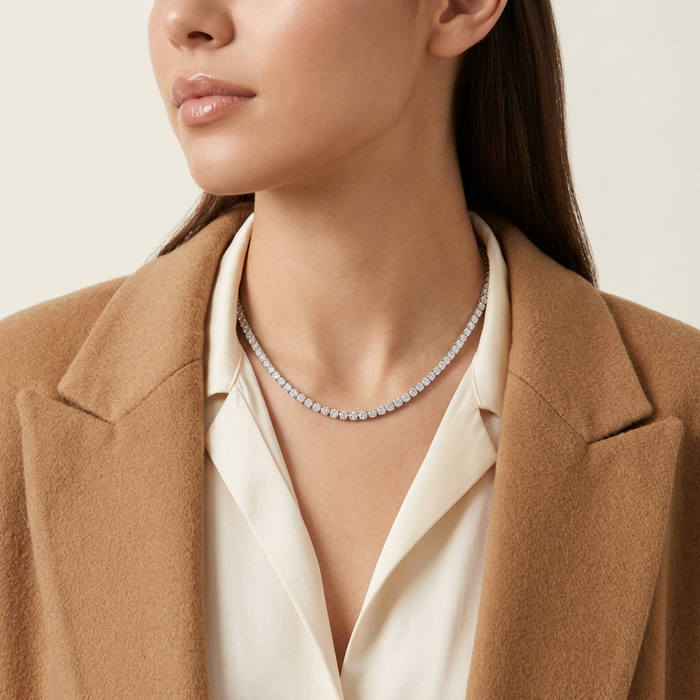


The Tennis Edit
Diamond Stud Earrings
One unbroken line of light. Stack it, layer it, wear it to brunch and to black tie, and never take it off.

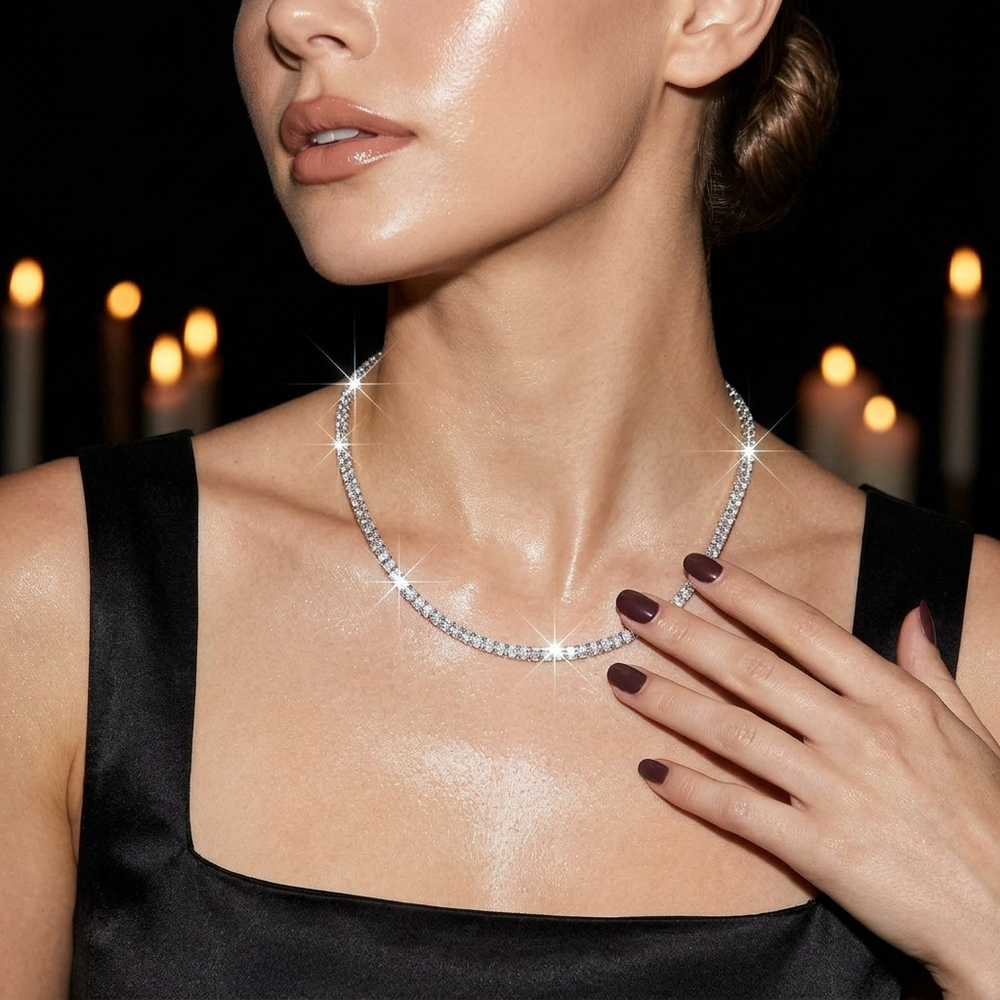
The look, worn
From morning coffee to midnight flash: how to wear the line.










Filter
No products match these filters. Try another selection or clear all selections.


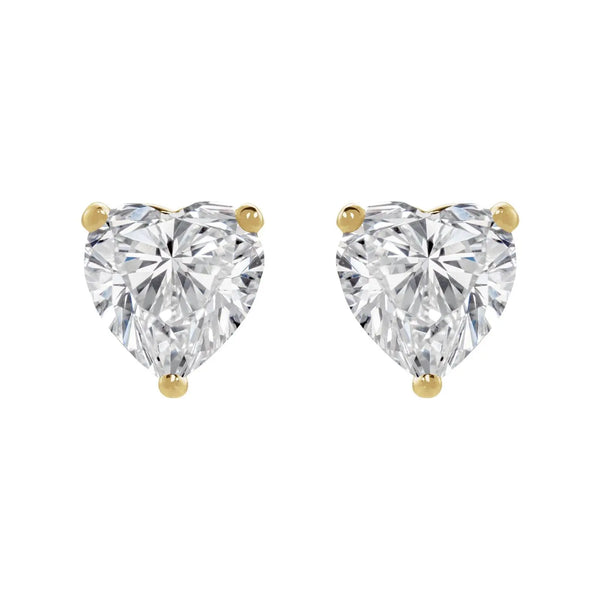
The everyday classic: a pair of diamond studs, from a quarter carat to a statement size, in round and fancy shapes, natural or lab-grown, set in 14K or 18K gold and platinum. Diamond stud earrings are worn from morning meetings to evening dinners, and are one of the most loved first fine-jewelry gifts.
How to choose diamond stud earrings
- Carat weight: the listed weight (CTW) is the total for the pair. 1/2 to 1 CTW is discreet and everyday; 2 to 3 CTW is a statement.
- Setting: four-prong shows the most diamond, a bezel or martini setting sits closer to the ear and feels secure.
- Natural or lab-grown: identical sparkle; lab-grown gives larger stones for the same budget. Read What Size Diamond Studs Should You Buy?
Questions
What size diamond studs look best? For most women, 1 to 1.5 CTW total reads elegant and visible without being heavy; on smaller lobes 3/4 CTW is perfect.
Do the earrings come with backs? Yes, every pair is delivered complete and ready to wear.
Complete the look with a diamond tennis bracelet or a tennis necklace. Beucher Paris is based in Florida and serves clients online only; every piece is delivered fully insured, with signature.


Diamond Stud Earrings
Your questions, answered
What is the most popular size for diamond studs?
1 carat total weight (half a carat per ear) is the most chosen size: visible, elegant and easy to wear every day.
Are lab-grown diamond studs worth it?
Yes if size matters to you: lab-grown studs are real diamonds and cost noticeably less per carat, so the same budget buys a larger pair.
What is the best setting for diamond studs?
Four-prong settings show the most diamond, three-prong martini settings sit closest to the ear, and bezel settings are the most protective.


