
What Does a Hamsa Necklace Mean? Symbolism, Who Can Wear One and How to Choose

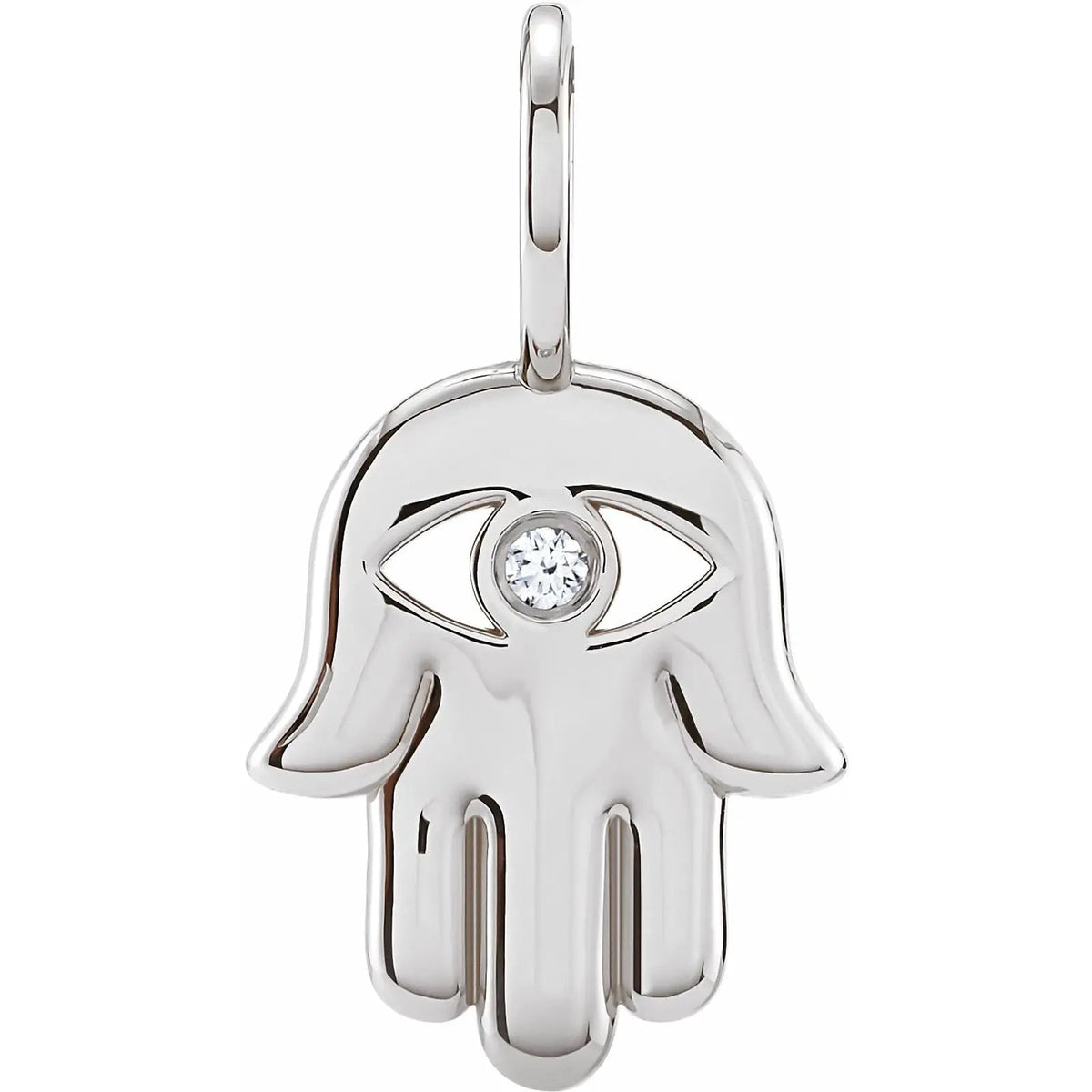
A hamsa necklace is a protective amulet shaped like an open right hand, often with an eye in the palm. Worn for centuries across the Middle East and North Africa, it is understood as a sign of protection against the evil eye and an invitation to blessing, luck and good health. Today it is cherished in Jewish, Muslim and Christian families alike, and many people wear it simply as a meaningful, beautiful talisman.
Below, we explain where the symbol comes from, what the direction of the hand means, whether it is appropriate for you to wear one, and how to choose a gold hamsa that will last a lifetime, especially if you are shopping for Hanukkah or the holidays.
What does the hamsa symbol represent?
The word hamsa (also spelled khamsa or hamesh) comes from the Arabic and Hebrew words for “five,” a reference to the five fingers of the hand. The symbol is generally believed to be older than the major monotheistic religions, and over the centuries each culture that adopted it gave it a name of its own:
- Hand of Miriam in many Jewish communities, after the sister of Moses and Aaron.
- Hand of Fatima in many Muslim communities, after the daughter of the Prophet Muhammad.
- Hand of Mary in some Christian traditions of the Mediterranean.
Whatever the name, the core meaning is remarkably consistent: an open hand that shields its wearer from harm, and especially from the “evil eye,” the old belief that an envious or ill-wishing glance can bring misfortune. That is why so many hamsas carry a small blue or mother-of-pearl eye in the palm. The eye “looks back” at negativity, while the hand pushes it away.
Fingers up or fingers down?
You will see the hamsa worn both ways. In popular interpretation, a hamsa with the fingers pointing up is a gesture of protection, a raised palm that says “stop” to bad energy. With the fingers pointing down, it is read as a gesture of welcome, inviting abundance, fertility and answered prayers. These meanings come from folk tradition rather than scripture, so there is no wrong choice: pick the orientation that feels right to you or to the person you are gifting.

Why do Jewish people wear the hamsa?
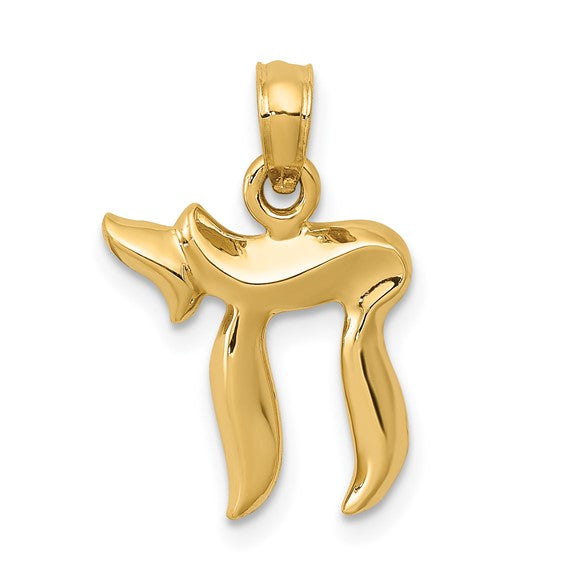
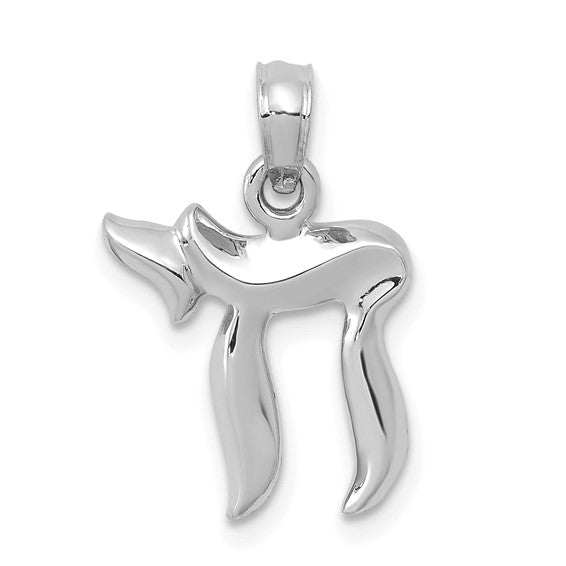
The hamsa is especially beloved in Sephardi and Mizrahi Jewish families, whose roots run through North Africa, Spain and the Middle East, and it is a familiar sight in Israel today on doorways, in nurseries and on jewelry. For many, the five fingers also evoke the five books of the Torah. Jewish hamsas are often engraved with a Hebrew word or blessing, a Star of David, or the letters חי, pronounced chai, which means “life” (it is the root of the toast l’chaim, “to life”).
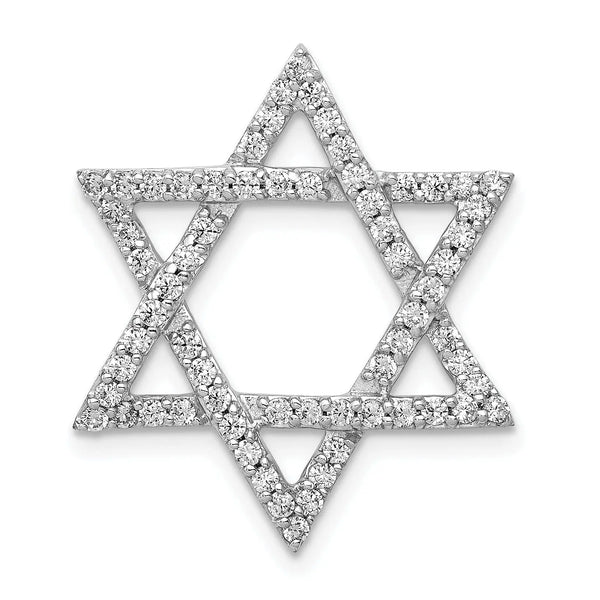
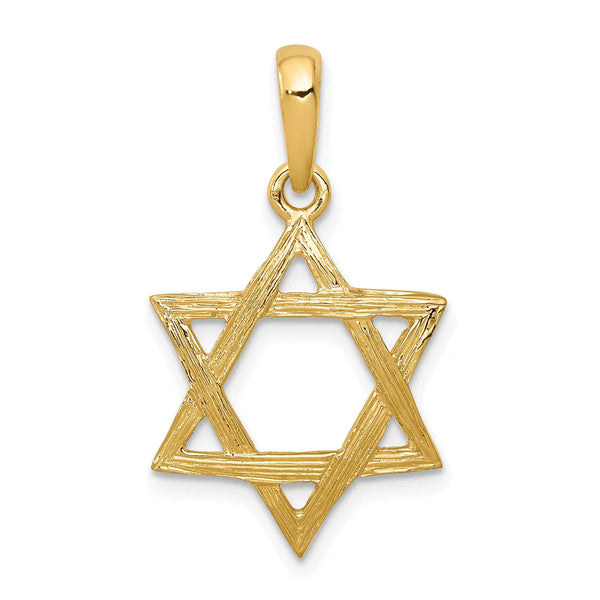
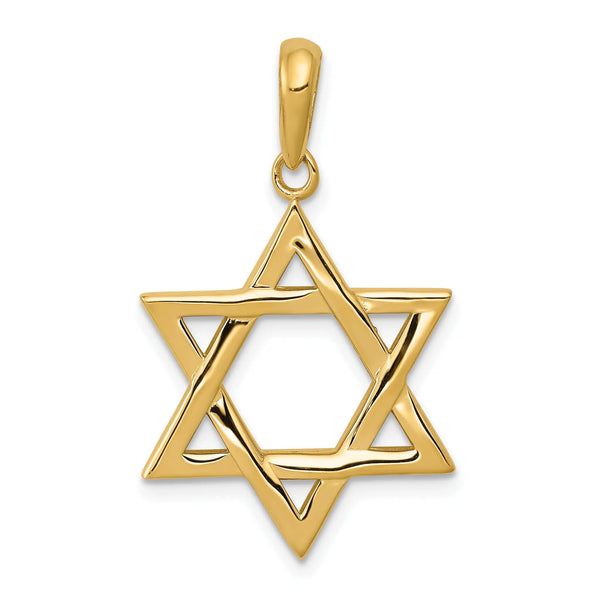
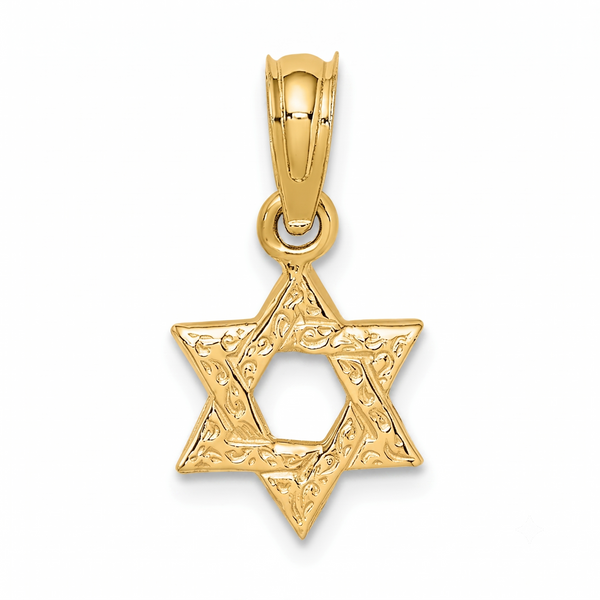
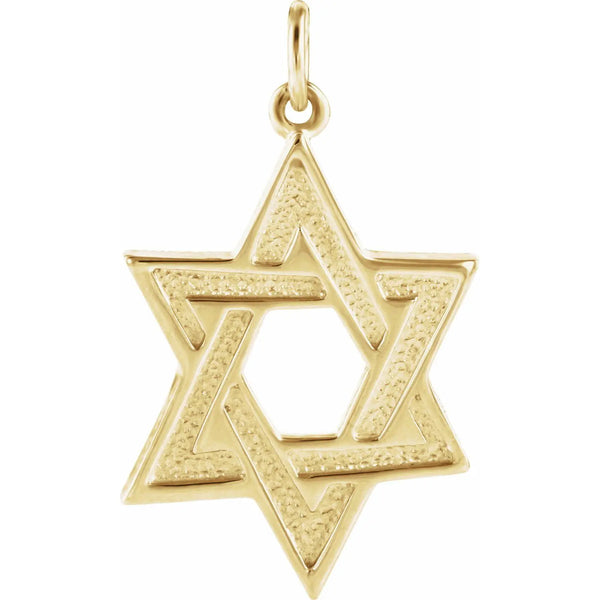
Because of these associations, a gold hamsa is a natural Hanukkah gift. It pairs beautifully with a Star of David, as in our Lumière Set with 14K gold hamsa studs and a Star of David tag necklace. If you are weighing the two symbols, our guide to the meaning of the Star of David necklace explains the differences.
Is it okay to wear a hamsa?
For most people, yes. The hamsa is widely worn as a cultural and spiritual talisman, and it is not exclusive to any one faith. That said, it is worth knowing how different communities view it:
- In Judaism, it is broadly accepted and very common as a protective and decorative symbol.
- In Islam, the hamsa is popular in many countries, especially in North Africa, though some religious scholars discourage wearing any amulet for protection. Views vary by community and family.
- In Christianity, there is no single rule. Many Christians wear a hamsa as a cultural symbol or a reminder of God’s protection; others prefer to wear only a cross. It is a personal decision.
If you are giving a hamsa to someone whose beliefs you do not know well, a simple, elegant design without religious inscriptions is the most universal choice.
A hamsa is less about superstition than about intention: the wish that someone you love will be kept safe.
Hamsa with an evil eye: what is the difference?
The evil eye charm, usually a blue glass or enamel eye, is a separate amulet with the same purpose: to deflect envy and bad luck. A hamsa with an eye in its palm combines both symbols for “double” protection. If the person you are shopping for loves the eye motif on its own, a piece like the Talisman Mother-of-Pearl Evil Eye Necklace in 14K yellow gold offers the same meaning with a softer, pearly glow.

How to choose a gold hamsa necklace
Gold, silver or diamonds?
Solid 14K gold is the sweet spot for a hamsa meant to be worn every day: it does not tarnish, it holds detail well and it is durable enough for a lifetime. Sterling silver with gold accents, such as the Talisman Round Hamsa Pendant Necklace on Paperclip Chain, is a lovely entry point, while a pavé hamsa like the Talisman Diamond Hamsa Pendant turns the symbol into a true fine-jewelry heirloom.
Pendant, station necklace or bracelet?
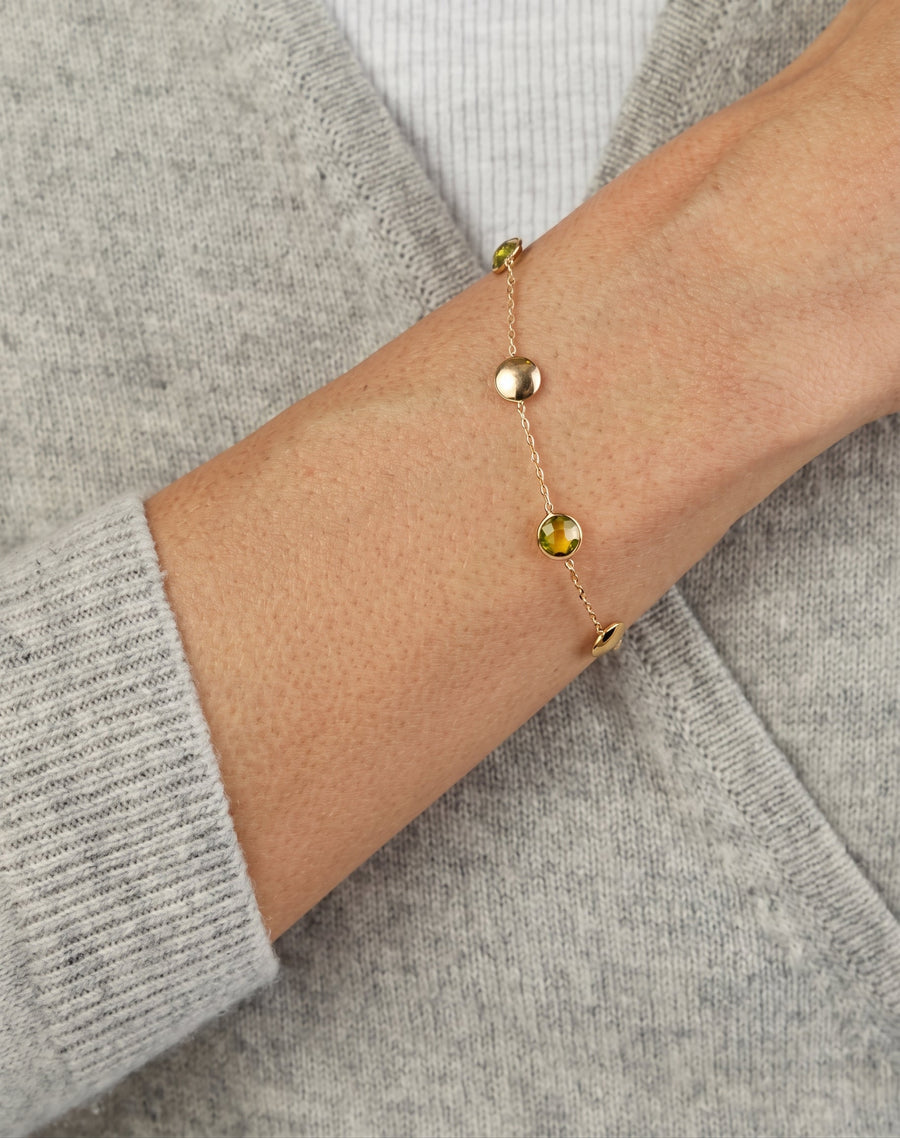
A single pendant on a fine chain is the classic choice. A station necklace, with several small hamsas spaced along the chain, reads more modern and layers well. And for someone who rarely wears necklaces, the Talisman Hamsa Bracelet in 14K yellow gold or the Talisman Hamsa Stud Earrings carry the same meaning in a more discreet way.
Size and chain length
For everyday wear, a hamsa between roughly a third of an inch and three-quarters of an inch tall is easy to wear alone or layered. A 16 to 18 inch chain sits near the collarbone on most women; a man usually prefers 20 to 22 inches. If you choose a pendant on its own, a fine 14K chain such as the Belle 1 mm Rope 18" Chain is delicate but strong. Our guide on how much to spend on a gold chain can help you compare options.

Is a hamsa a good gift?
It is one of the most thoughtful gifts in fine jewelry, because the meaning is the message: “I want you protected.” It suits a new mother, a graduate leaving home, a bride, a friend starting a new chapter, or a loved one celebrating Hanukkah. For example, Olivia might give her sister a hamsa pendant on the first night of Hanukkah, with a note explaining the wish behind it. Explore more ideas in our faith jewelry and talismans and Hanukkah gifts collections.
Pieces to discover
Frequently asked questions
Which way should a hamsa face?
Fingers up is traditionally read as protection; fingers down as an invitation to blessings and abundance. Both are correct, and the choice is personal.
Can Christians wear a hamsa?
Many do, as a cultural symbol or a reminder of divine protection. There is no universal rule, so it comes down to personal conviction.
What does חי mean on a hamsa?
It is the Hebrew word chai, meaning “life.” On a hamsa, it adds a wish for a long and healthy life.
Can I wear my gold hamsa every day?
Yes. Solid 14K gold is made for daily wear. Remove it before swimming in chlorinated pools and wipe it with a soft cloth to keep it bright.
Is it bad luck to buy a hamsa for yourself?
No. While receiving one as a gift is a lovely tradition, there is no rule against choosing your own talisman.
A symbol to keep close
The hamsa has crossed centuries, borders and faiths because its message is so simple: protection, blessing and love. Choose the metal and size that fit the life of the person who will wear it, and it will become a quiet companion for years. Beucher Paris is based in Florida and serves clients online only, across the United States and Canada, with private appointments by video; if you would like help choosing, book an appointment. Every piece arrives set and ready to wear.
Join the Maison's list and enjoy 15% off your first order. Sign up